
When pairing a powerhouse like the RTX 3080 with a CPU, balance and harmony are key. This isn’t just about raw power; it’s about ensuring seamless communication between your GPU and CPU for that flawless gaming or creative experience.
Think of it as a high-stakes dance where each component must move in perfect sync. Too weak a CPU, and you’ll bottleneck the potential; too powerful, and you’re likely over-investing with diminishing returns.
The art lies in finding that sweet spot where performance meets value, where every frame is rendered with precision without leaving any silicon prowess on the table. Today, I will help you find the processors that not only keep pace with the RTX 3080 but elevate the entire system’s performance. Let’s begin.
I recently had the opportunity to test the 12th-generation Intel CPU in a secondary computer setup primarily intended for gaming. My first impression of this CPU is overwhelmingly positive, particularly when evaluating its performance in high-demand scenarios like flight simulation applications. This processor, which belongs to Intel’s prestigious 12th generation lineup, showcases impressive capabilities in handling graphically intensive tasks. Its ability to maintain smooth performance under strenuous loads is a testament to its robust architecture and advanced technology. A standout feature of this CPU is its onboard video capability. This proves incredibly useful when you need to temporarily remove the dedicated GPU, such as for swapping or maintenance purposes. With this feature, you can effortlessly access UEFI/BIOS settings and Windows operating systems without the need for an external GPU. Moreover, the ‘K’ suffix of this processor indicates its overclocking potential. For enthusiasts and power users, this means you can push the processor beyond its base specifications to achieve enhanced performance. This capability is especially valuable for users who crave that extra bit of power for their computing needs. Another commendable aspect of this CPU is its seamless compatibility with both Nvidia and AMD GPUs. This flexibility is crucial in a market where users may switch between different GPU brands based on availability or preference. During my testing, I encountered no compatibility issues, which speaks volumes about the processor’s versatile nature. Additionally, the pricing of this 12th gen Intel CPU is quite attractive, offering great value for its performance level. It’s a well-rounded choice for gamers and general users alike who are seeking a high-performance CPU without breaking the bank. Overall, this processor is a solid investment for anyone looking to build a reliable and powerful PC. Having thoroughly tested the Intel i5-13600k, I can confidently assert its superiority in the realm of gaming-focused CPUs. This processor is a standout in Intel’s 13th-generation lineup, especially for those who prioritize gaming over other tasks. In rigorous testing, including 1440p gaming at nearly maximum settings, the i5-13600k consistently delivered impressive performance. With XMP enabled to 6000Mhz and cooled by a Noctua NH-U12A tower cooler, this CPU maintained remarkable temperature stability. It’s rare to see it exceed 70 °C, a testament to its efficient heat management and the benefit of a well-ventilated case. The synergy between the i5-13600k and high-end graphics cards is nothing short of remarkable. My testing setup included pairing this CPU with the Sapphire Nitro Plus Radeon 6950XT, resulting in an unparalleled gaming experience. This combination emphasizes the processor’s ability to handle demanding graphics without bottlenecking, ensuring smooth and visually stunning gameplay. The i5-13600k stands out for its ability to offer top-tier performance without the excessive heat typically associated with higher-end models. The Intel i5-13600k is a groundbreaking achievement in the i5 series, shattering previous expectations. Its performance in gaming is on par with the most advanced CPUs, yet it avoids the pitfalls of overheating and overconsumption. This processor is a perfect choice for gamers who want top-notch performance without the need for extensive modifications like under-voting. My experience with the i5-13600k leads me to give it a solid 10/10 rating. For those hesitant about its capabilities, rest assured that this CPU will not only meet but exceed your gaming needs, making it a highly recommended component for any serious gaming rig. The Intel Core i9-12900K, a flagship processor in the enthusiast PC market, has been a talking point for its raw power and thermal demands. I tested this CPU in various scenarios. Initially, the processor’s thermal performance was a concern. Even with a robust cooling setup, temperatures soared to 89-92°C under stress tests. This is a clear indicator that the i9-12900K demands substantial cooling solutions. Switching to a more powerful 360 mm cooler brought the temperatures under a more manageable 60°C. This chip’s thermal dynamics are crucial for potential users to consider, especially those building compact systems. In terms of gaming and streaming, the i9-12900K shines with its overkill performance. During intensive gaming sessions and streaming, the CPU usage remarkably never exceeded 30%. This speaks volumes about the processor’s capability to handle multitasking and heavy workloads with ease. For users who demand high performance for gaming and content creation, this processor stands out as a top-tier choice. Its ability to perform multiple tasks simultaneously without breaking a sweat is a testament to Intel’s engineering. Overall, the Intel Core i9-12900K is a powerhouse processor, ideal for users who seek top-notch performance and are willing to invest in high-end cooling solutions. Its thermal demands are significant but manageable with the right setup. For enthusiasts who want their PCs to excel in gaming and streaming, this processor is a perfect fit. It’s overkill for many, but for those who demand the best, it’s a worthy investment. Just be prepared to address its cooling needs to unleash its full potential. In the realm of PC upgrades, it’s rare to encounter a processor that not only meets but exceeds expectations, especially for power users. This processor, a titan in its own right, is a testament to what modern technology can achieve. As someone who regularly juggles video editing, 3D modeling, and other resource-intensive tasks, I’ve put this CPU through its paces. The results? Nothing short of extraordinary. This processor chews through the most daunting tasks with an ease that’s almost disconcerting. It’s not just capable; it’s a juggernaut, redefining what we expect from high-end computing. Pairing this CPU with a Kraken water cooler transforms it into a symphony of efficiency and power. The cooling system is crucial, as it ensures the processor operates at peak performance without any hint of throttling, even under extreme workloads. This is crucial for professionals and enthusiasts who can’t afford any compromise in performance. Gaming, often a litmus test for CPU prowess, becomes a mere formality for this processor. CPU-intensive games, known to push lesser CPUs to their limits, are rendered almost trivial. This isn’t just a step up in processing power; it’s a leap into a new echelon of performance, making it a must-have for anyone who demands the absolute best in computing power. The Ryzen 7 7800X3D emerges as a standout choice for users seeking a harmonious blend of price and performance in a high-end PC setup. Having extensively tested this processor for my friend’s rig, I found that its capabilities are impressive, especially in multitasking scenarios. The processor’s seven cores effortlessly handle intense workloads, making it ideal for power users. For instance, in my testing environment, the CPU smoothly managed gaming, streaming YouTube videos, and engaging in Discord calls simultaneously across three monitors. This was all achievable without any noticeable stuttering or pushing the processor to its limits, a testament to its robust performance. A critical point to note is the absence of a stock cooler with the Ryzen 7 7800X3D. Potential buyers should be aware of this and plan accordingly. For achieving the best performance and maintaining optimal temperatures, investing in a high-quality cooling solution is paramount. Based on my experience, an all-in-one liquid cooler is highly recommended for this processor. While a simple fan cooler might seem sufficient, it may not effectively prevent thermal throttling under heavy loads. Therefore, adding a capable cooling system is essential to fully harness the power of the Ryzen 7 7800X3D, ensuring stable performance across all tasks. I recently had the opportunity to upgrade one of my clients’ rigs from an AMD 3900X to a Ryzen 5900X, pairing it with an MSI MPG x570 Gaming Plus motherboard. This upgrade was particularly noteworthy as the 5900X was the latest and most advanced CPU compatible with this motherboard before necessitating an upgrade. The installation process highlighted a crucial step for anyone considering a similar upgrade: the necessity of a BIOS update. My experience was a bit of a rollercoaster. Initially, the new CPU wasn’t recognized, leading me back to the drawing board. I had to reinstall the old CPU, download the BIOS update, transfer it to a flash drive for MFlash, and then execute the update process. Only after these steps could I finally install the 5900X successfully. A friendly reminder: this process involves the tedious task of cleaning thermal paste and reapplying it, so be prepared. Also, make sure to use high-quality thermal paste. Performance-wise, the Ryzen 5900X has so far met expectations, seamlessly integrating with the existing motherboard. Its true capabilities and any potential issues will only become apparent with more extensive use, and I plan to provide updates on its performance. This processor, given its position as the final upgrade option for this motherboard series, represents a significant enhancement for those looking to maximize their current system’s capabilities without a complete overhaul. The AMD 7600X processor, a great acquisition, proves to be a robust and reliable choice for PC users, especially those inclined towards gaming and heavy-duty tasks. During extensive testing, this processor showcased impressive performance, effortlessly managing demanding applications and multitasking scenarios. It’s noteworthy for its capability to handle intense workloads, a testament to its well-engineered architecture and processing power. However, it’s not without its quirks, particularly when operating in a Linux environment without a dedicated GPU. Linux users might encounter a hiccup with the 7600X’s APU (Accelerated Processing Unit). The issue manifests as a stark white desktop environment, a clear indicator of compatibility challenges between the APU and Linux’s graphical interface. This glitch doesn’t affect users who rely solely on a TTY (Text-based User Interface), but it’s a significant drawback for those who prefer a graphical desktop. This limitation suggests that, for the time being, pairing the 7600X with a dedicated GPU is the way to go for Linux users, at least until AMD enhances the APU’s support for this platform. Interestingly, these problems are absent on Windows, where the APU performs flawlessly, indicating that the issue is software-centric rather than a hardware flaw. While the 7600X excels in power and performance, its full potential on Linux is currently tethered by APU support limitations. When you’re in the market for a new CPU to pair with your RTX 3080, it’s crucial to make an informed decision. This section will walk you through the key factors to consider, ensuring that you get the best value and performance for your investment. While older generation CPUs can technically work with the RTX 3080, they may not fully utilize the GPU’s capabilities, leading to potential bottlenecks. It’s advisable to use a more recent CPU to ensure optimal performance. The CPU’s cache size plays a significant role in gaming and high-performance tasks. A larger cache helps in faster data access, improving overall system efficiency and performance when used with high-end GPUs like the RTX 3080. While a CPU with integrated graphics isn’t necessary when using a dedicated GPU like the RTX 3080, it can be beneficial as a backup in case of GPU failure, which can happen if your GPU gets too hot, has dust and debris or frequent overclocking. It also allows for basic video output without the dedicated GPU. For gaming, a balance of both is ideal. However, higher clock speeds typically offer more benefit for gaming performance. Games tend to be more dependent on single-threaded performance, which is improved with higher clock speeds. Yes, the CPU can impact VR gaming performance. A powerful CPU ensures smooth data processing and minimizes latency, which is crucial for a seamless VR experience with a high-end GPU like the RTX 3080. While ray tracing is primarily GPU-intensive, a capable CPU ensures that there are no bottlenecks in data processing. A good CPU complements the RTX 3080’s ray tracing capabilities by efficiently handling game logic and physics, contributing to a smoother gaming experience. It’s clear that the right processor can significantly enhance your gaming and creative experiences. It doesn’t matter if you’re a hardcore gamer, a professional content creator, or someone who enjoys a blend of both; choosing a compatible CPU is crucial for unlocking the full potential of the RTX 3080.
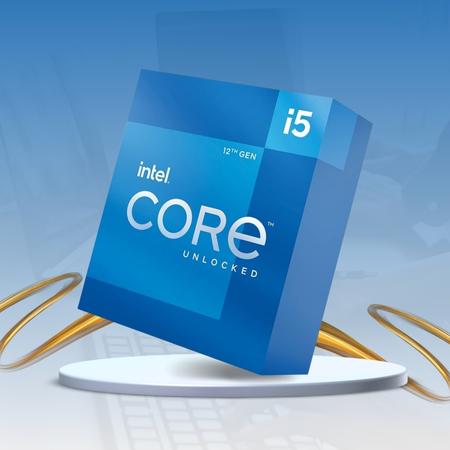
1. Intel Core i5-12600K
Key Features
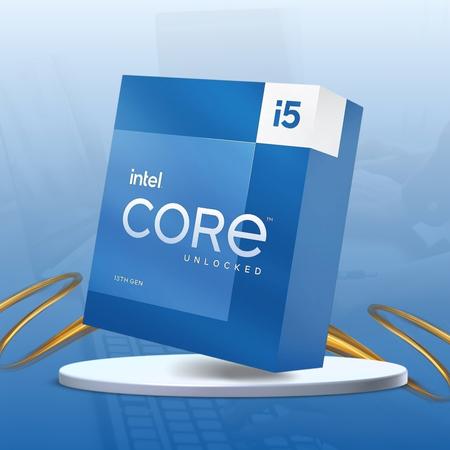
2. Intel Core i5-13600K
Key Features
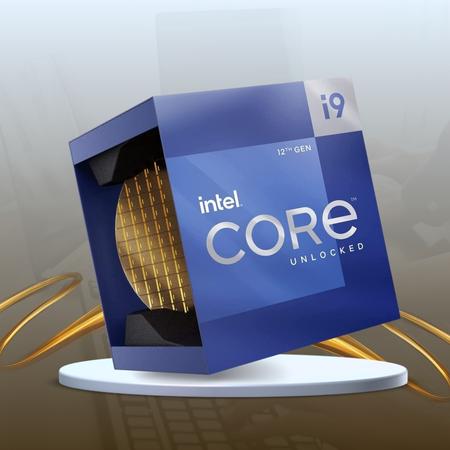
3. Intel Core i9-12900K
Key Features
4. Intel Core i9-13900K
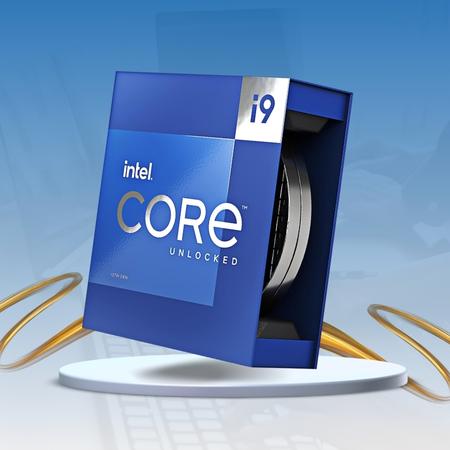
Key Features
5. AMD Ryzen 7 7800X3D 8-Core
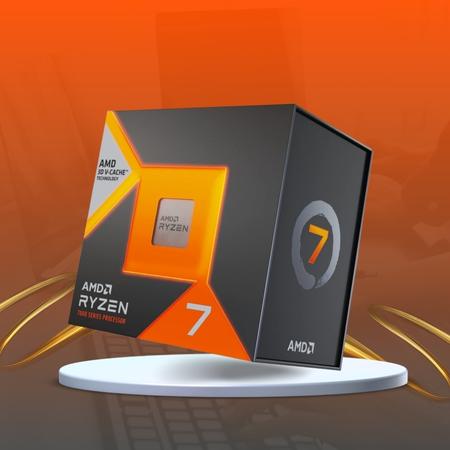
Key Features
6. AMD Ryzen 9 5900X 12-core
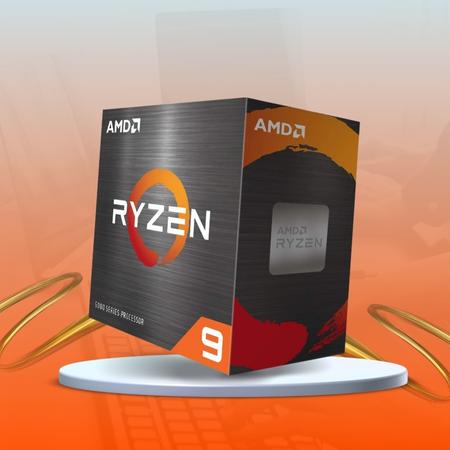
Key Features
7. AMD – Ryzen 7 7700X 8-core
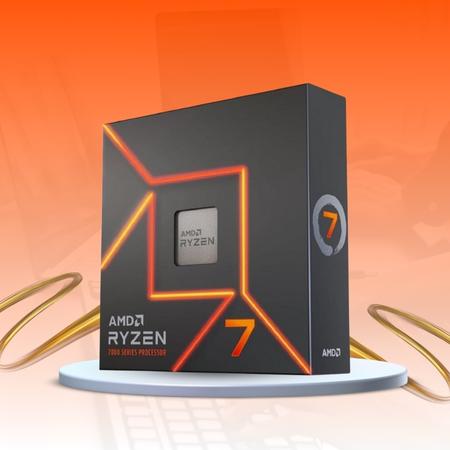
Key Features
Buying Guide
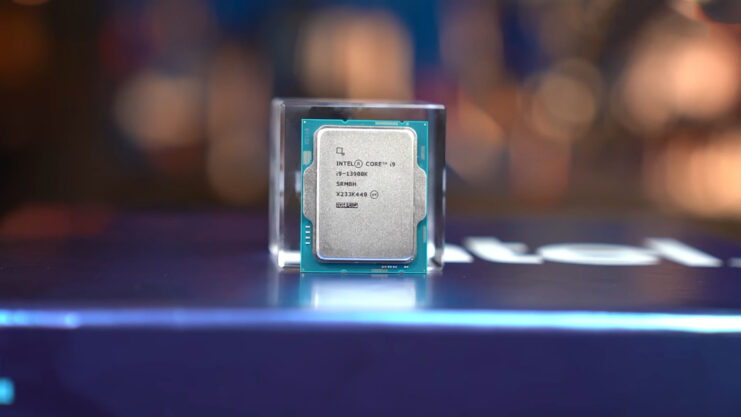
The Importance of Compatibility
Processor Speed and Cores
Compatibility with Motherboard and RAM
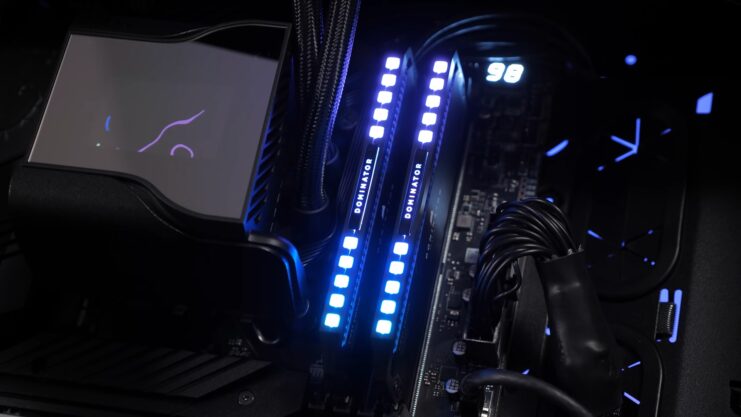
Thermal Design Power (TDP)
Price-to-Performance Ratio
Overclocking Potential
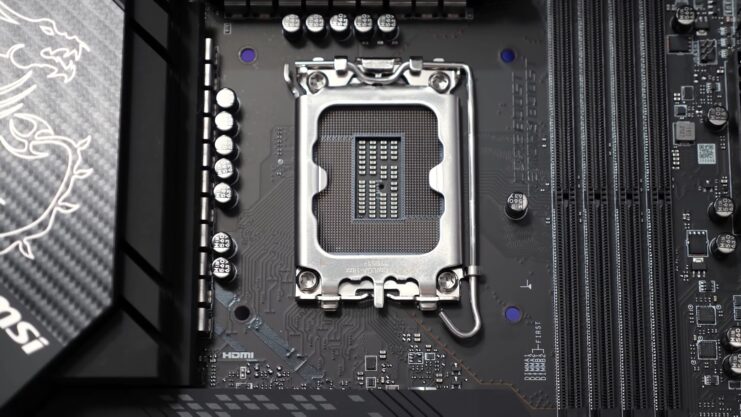
Future-Proofing Your Investment
FAQs
Can I use an older generation CPU with the RTX 3080 without losing performance?
How important is the CPU’s cache size when pairing with an RTX 3080?
Is there a benefit to using a CPU with integrated graphics alongside the RTX 3080?
Should I prioritize a higher number of cores or higher clock speed for gaming with the RTX 3080?
Does the choice of CPU affect VR gaming performance with the RTX 3080?
How does the choice of CPU affect ray tracing performance on the RTX 3080?
Final Words